
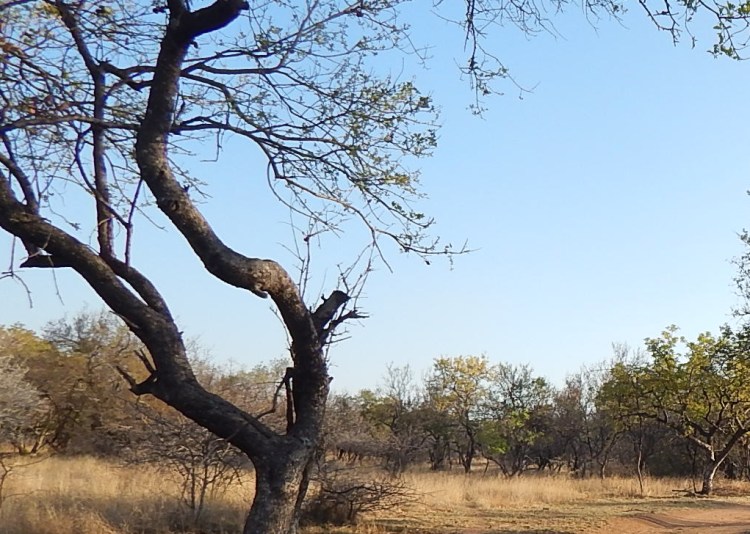
When I was eleven, I once brought a book to school for reading that caused a look of panic in my teacher’s eye as she snatched it away and claimed it to be unsuitable for a child. Yet I thought Colleen McCullough’s The Thorn Birds was beautifully crafted; its words conjured up a landscape I did not know but adored nonetheless – rustic Australia, its characters were gritty, in love, yet hopelessly lost, and I enjoyed the way the embossed gold tree on the cover felt as I ran my fingers over it, and the promise of a story in the smell of those pages. But most enduring of all for me was the description of the bird that would impale itself for some higher ideal:
“There is a legend about a bird which sings just once in its life, more sweetly than any other creature on the face of the earth. From the moment it leaves the nest it searches for a thorn tree, and does not rest until it has found one. Then, singing among the savage branches, it impales itself upon the longest, sharpest spine. And, dying, it rises above its own agony to outcarol the lark and the nightingale. One superlative song, existence the price. But the whole world stills to listen, and God in His heaven smiles. For the best is only bought at the cost of great pain… Or so says the legend.”
That is really the inspiration for this personal collection of poems. In reflection, I do think that these words set me subconsciously on the path I was to take in my own life, ever searching, convinced that when I found what I was looking for, I would know it. I was drawn to the study of history, and the concept that over centuries, we humans have made our greatest leaps forward when our lives have been at their most precarious. Perhaps it is why I spent most of my working life at the South African National Museum of Military History (now called Ditsong, although its more brutal, honest, and original name – the War Museum – has never quite faded away).
The museum collection that drew me most intensely were the next-of-kin plaques issued in memory of those who fell in war. Many bore the names of black and coloured troops and had remained unclaimed for a century by those they had left behind. Unlike the legendary bird, the world did not seem to stop to listen when they sang out their last song. Mine was a jack-of-all-trades type of job at the Museum back then, but I used every moment I could to find and record these lost lives and to remember them.
But, sadly for me, it became increasingly painful to negotiate the slippery slope of politics in the guise of redress while keeping faith with those of all races who had lost their lives so tragically. Their precious memories began to fade in the face of having to spend more time filling the blanks in a mountain of inane reports intended only for some bored bureaucrat’s eye. I came to the sad realisation that this was not the thorn upon which I was meant to impale my heart.
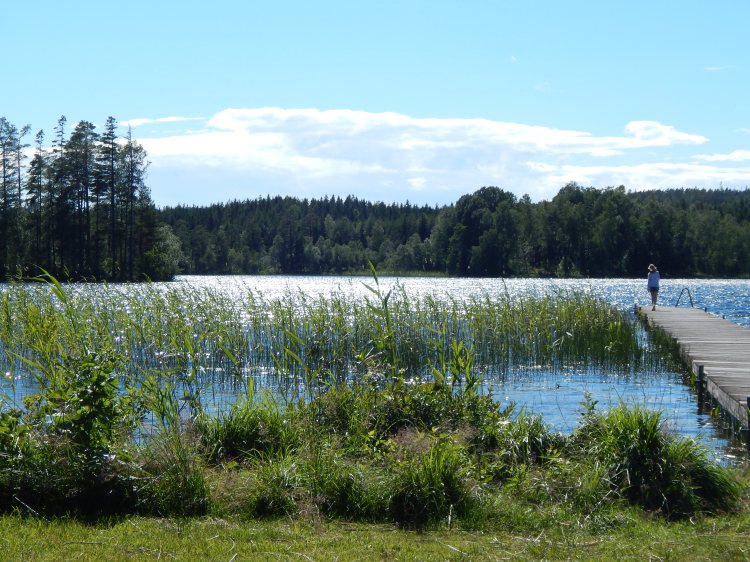
Fast-forward to here, in Ed, Sweden, where I find that my thorn tree is rising again like a Phoenix from the ashes. I don’t know yet if it is my destination, but it is a beautiful space for healing and for connecting again with what is so important to me. The forests whisper the names I had forgotten, the lakes gently collect their sorrow and the skies reflect their song. The nature and humanity here bring me hope and re-awakening. Even as the current world crisis takes away lives and rights and freedom, destroys families and livelihood, and keeps us who should be together apart for much too long, I feel a sense of peace as my capacity to love and to appreciate, despite our shortfalls, grows with each new day.
This poetry site is dedicated to the memory of the countless men, women and children who continue to suffer and to die utterly unnecessarily at the hands of cruel minds and heartless souls. It is built on the belief that there is a better future for us all if we can only open our ears to hear their song …
Susanne Blendulf is currently employed in Ed, Sweden, where she lives with her partner, her two children and Sammy the cat.
 Thorn Tree Rising